
Hex to Text Explained: ASCII, UTF-8 and Common Decoding Errors
Turn hexadecimal bytes into readable text, understand ASCII and UTF-8, and diagnose incomplete bytes, invisible characters and decoding errors with worked examples.
Read article →Explore practical guides to test data, identifiers, formats and creative generators, with examples and links to the tools.

Turn hexadecimal bytes into readable text, understand ASCII and UTF-8, and diagnose incomplete bytes, invisible characters and decoding errors with worked examples.
Read article →

Why does your IP address show the wrong city? Learn how to read location and network results, troubleshoot mismatches and build interfaces that respect uncertainty.
Read article →
Choose test inputs by the behavior they need to expose. Compare placeholders, synthetic records, mocks and fixtures, with practical examples and clear limits.
Read article →
Understand what can stop a QR code working, choose between direct links and redirects, and use a practical checklist before printing.
Read article →
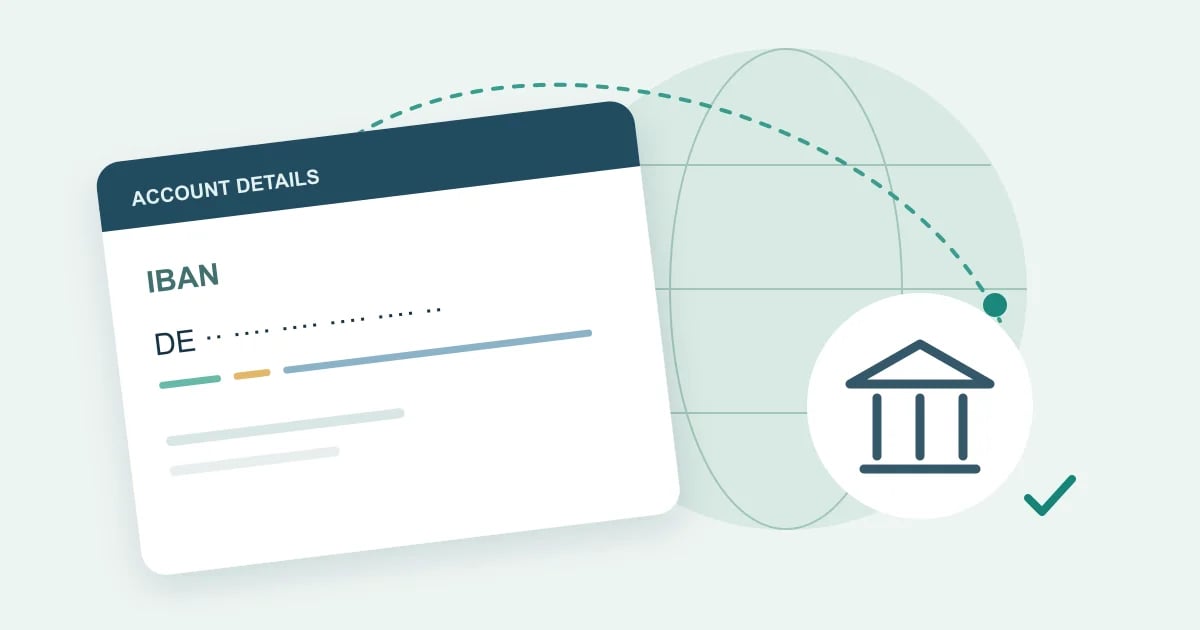
Build useful IBAN test cases, distinguish public format examples from provider sandbox credentials, and test the failures that a happy-path demo misses.
Read article →
Understand who starts a SEPA payment, how standard and instant transfers differ, and what to check before paying an invoice or setting up a direct debit.
Read article →
Compare 24 national IBAN formats, understand the parts that change between countries, and learn how to read an account identifier without guessing what it proves.
Read article →
Turn a list of fantasy names into a world that feels connected. Build memorable characters, believable places and distinctive guilds with practical naming examples.
Read article →

Follow a card payment from checkout to your statement. Learn what card numbers and security codes mean, how repayment works, and what format checks cannot prove.
Read article →
Understand what an IBAN identifies, how its parts fit together, when you need a BIC, and what a successful format check can actually tell you.
Read article →
Match single records, exports and automated API tests to the allowances your workflow actually uses.
Read article →
Choose representative scripts, field lengths and address formats, then test storage and layout independently.
Read article →
Turn an unexpected result into a concise report with a clear scenario, synthetic example and useful evidence.
Read article →
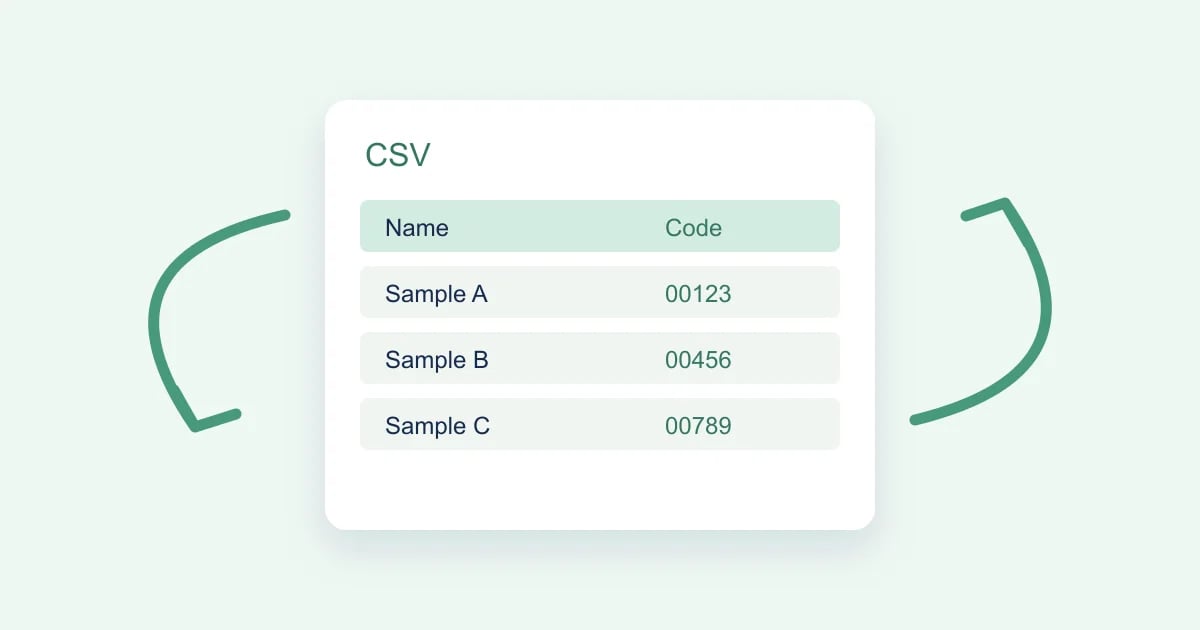
Check separators, quoting, Unicode, spreadsheet interpretation and import behavior before calling an export complete.
Read article →
Separate generation from assertions, respect API limits and keep failures reproducible with a small fixture library.
Read article →
Test emoji sequences, skin tones, flags and round trips while separating Unicode coverage from device font support.
Read article →
Compare UUID v4 and v7, understand ordering limits and plan storage, fixtures and API integration.
Read article →
Choose password length, character sets or random words with a clear understanding of compatibility and generator estimates.
Read article →
Understand IBAN structure, check digits and national rules without confusing format validity with account verification.
Read article →
Design focused fixtures, isolate external services and build repeatable tests with synthetic profiles.
Read article →